
The Baltic capitals of Tallinn, Riga, and Vilnius are among the most fascinating cities in Northern Europe. Each of these capitals offers a unique combination of history, architecture, and modern culture, making them must-visit destinations for travelers. These cities, situated in Estonia, Latvia, and Lithuania, respectively, share a common past while also maintaining their own distinct identities. As capitals of countries that regained independence after the fall of the Soviet Union, they have rapidly developed into vibrant, dynamic cities that showcase their rich heritage alongside contemporary advancements. Whether visitors are interested in medieval history, Baroque architecture, or trendy cafes and cultural scenes, these Baltic capitals provide an immersive experience into the history and future of Northern Europe.

Tallinn: The Medieval Gem of the Baltic
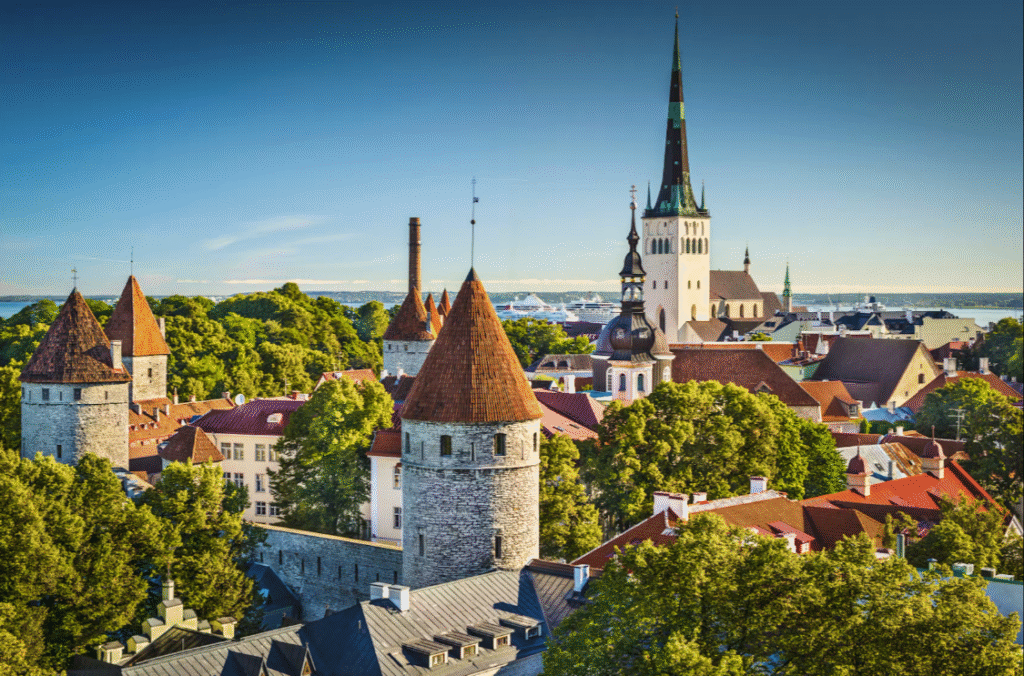
Tallinn, the capital of Estonia, is a city where medieval history and modern innovation coexist seamlessly. The Old Town of Tallinn is one of the best-preserved medieval cities in Europe, featuring cobblestone streets, towering church spires, and well-preserved fortifications. The city’s skyline is dominated by Toompea Castle, an iconic structure that has housed various rulers throughout its history. The Alexander Nevsky Cathedral, with its striking onion domes, is a reminder of the Russian influence on the city, while St. Olaf’s Church, once the tallest building in the world, offers panoramic views of the city.
Tallinn is not just about history, however. The city has embraced the digital age and is often referred to as one of the most technologically advanced cities in the world. The emergence of a thriving tech industry, with companies like Skype originating from Estonia, has helped shape Tallinn as a forward-thinking metropolis. Telliskivi Creative City, a former industrial complex turned cultural hub, is an excellent example of Tallinn’s contemporary scene. This area is filled with art galleries, design shops, and trendy restaurants, making it a vibrant space for both locals and visitors.

Riga: The Art Nouveau Jewel
Riga, the capital of Latvia, is known for its impressive Art Nouveau architecture, stunning parks, and lively cultural scene. As the largest city in the Baltics, Riga has a rich history that spans centuries, from its time as a key trading hub in the Hanseatic League to its modern status as a dynamic European capital. The Old Town of Riga is a UNESCO World Heritage site, boasting architectural gems such as the House of the Blackheads, the Riga Cathedral, and the medieval Swedish Gate. Visitors strolling through the cobbled streets will find a mix of Gothic, Baroque, and Renaissance buildings, each telling a story of the city’s past.
Beyond the Old Town, Riga’s Art Nouveau district is a highlight for architecture lovers. Alberta Street is a prime example of the city’s Art Nouveau legacy, featuring buildings adorned with intricate facades, sculptural details, and elaborate motifs. The influence of architect Mikhail Eisenstein is particularly prominent, as his designs contribute significantly to Riga’s architectural charm. The Latvian National Museum of Art and the Art Nouveau Museum provide deeper insights into this artistic movement and its impact on the city.

Riga is also known for its vibrant cultural scene. The city’s central market, one of the largest in Europe, offers a glimpse into Latvian culinary traditions, with vendors selling fresh produce, smoked fish, and locally made dairy products. The Daugava River, which runs through the city, adds to Riga’s scenic beauty and provides opportunities for waterfront dining and boat tours. In recent years, Riga has also become a hub for contemporary music, art, and fashion, making it a city that appeals to both history enthusiasts and modern travelers.
Vilnius: The Baroque Beauty
Vilnius, the capital of Lithuania, is known for its stunning Baroque architecture, picturesque streets, and a rich blend of cultures. The city’s historic center, a UNESCO World Heritage site, is home to an impressive array of churches, palaces, and narrow alleyways that invite exploration. The Gediminas Tower, a remnant of the city’s medieval castle, offers breathtaking views of Vilnius and serves as a symbol of Lithuanian independence and resilience.
One of Vilnius’s most captivating features is its abundance of Baroque churches. The Church of St. Peter and St. Paul is a masterpiece of Baroque interior design, with over 2,000 sculptural decorations adorning its walls and ceilings. The Gates of Dawn, an important religious and historical site, house a revered icon of the Virgin Mary that attracts pilgrims from around the world. Meanwhile, the Vilnius University complex, one of the oldest universities in Eastern Europe, showcases a blend of Gothic, Renaissance, and Baroque styles, reflecting the city’s diverse architectural influences.
Vilnius is also known for its bohemian atmosphere, particularly in the Užupis district. This self-declared independent republic within the city is an artistic enclave filled with galleries, street art, and quirky cafes. With its own constitution, anthem, and even a president, Užupis embodies the creative and free-spirited nature of Vilnius. The city is also a hotspot for culinary exploration, with a mix of traditional Lithuanian dishes and modern gastronomy. Cepelinai, a potato-based dumpling stuffed with meat or cheese, is a must-try local specialty.
