
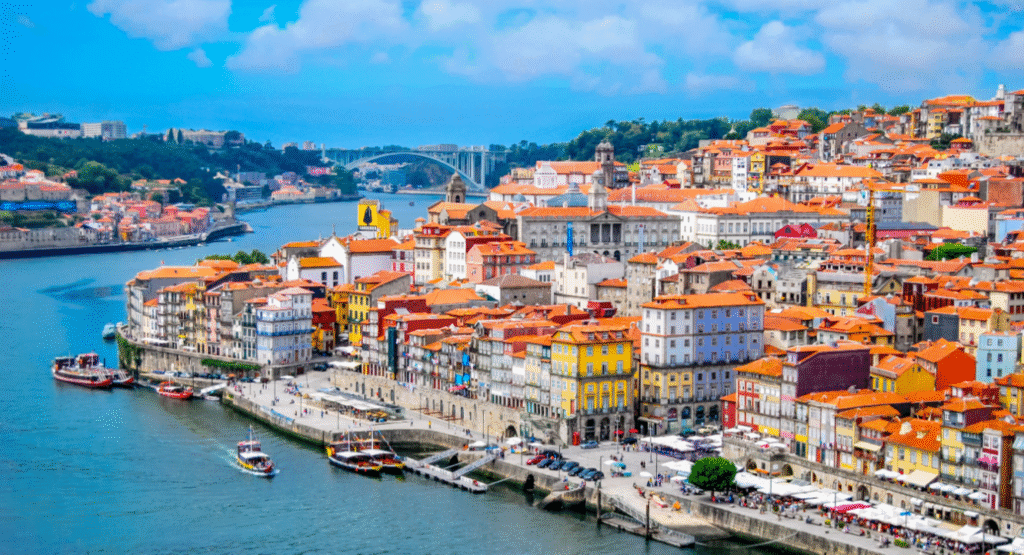
Portugal, one of Europe’s oldest nations, is a country where history, culture, and stunning landscapes intertwine to create an unforgettable experience. From the northern hills of Porto, where the Douro River winds through terraced vineyards, to the vibrant capital of Lisbon with its cobbled streets and grand monuments, and the ancient city of Évora, where Roman ruins stand as silent witnesses to the past, Portugal’s historic cities tell a captivating story of exploration, resilience, and artistic excellence. This journey through Porto, Lisbon, and Évora reveals the essence of Portuguese heritage, offering a deep dive into the architectural wonders, traditional gastronomy, and cultural legacies that make Portugal a must-visit destination.

Porto: The City of Bridges and Wine
Porto, Portugal’s second-largest city, is a place where history and modernity coexist in perfect harmony. With its colorful houses stacked along the steep hillsides overlooking the Douro River, Porto is a city of stunning landscapes and rich traditions. The Ribeira district, a UNESCO World Heritage Site, is the heart of the city’s historic charm, with its narrow streets, traditional azulejo-covered facades, and vibrant atmosphere.
One of Porto’s most defining features is its connection to the production of Port wine. The cellars of Vila Nova de Gaia, just across the river, house some of the world’s most renowned Port wine producers, including Taylor’s, Graham’s, and Sandeman. Visitors can take guided tours of the cellars, learning about the history of Port production and enjoying tastings of the region’s finest vintages. The Douro Valley, just a short drive from the city, offers breathtaking landscapes of terraced vineyards and centuries-old wine estates, making it one of the most picturesque wine regions in the world.
Porto is also home to remarkable architectural landmarks, including the iconic Dom Luís I Bridge, designed by a student of Gustave Eiffel. The Clérigos Tower, with its sweeping views over the city, and São Bento Railway Station, adorned with exquisite azulejo tilework depicting Portugal’s history, are must-visit sites. The Livraria Lello, one of the world’s most beautiful bookstores, enchants visitors with its neo-Gothic interiors and grand staircase, rumored to have inspired J.K. Rowling’s depiction of Hogwarts.
Culinary delights in Porto reflect the city’s rich maritime and agricultural traditions. The famous Francesinha, a hearty sandwich layered with cured meats, covered in melted cheese, and topped with a beer-based sauce, is a local specialty that showcases the city’s bold flavors. Fresh seafood, particularly grilled sardines and bacalhau (salted cod), is a staple of Porto’s cuisine, best enjoyed in one of the city’s many riverfront restaurants.

Lisbon: The City of Seven Hills
Lisbon, Portugal’s capital, is a city of contrasts, where ancient history meets contemporary creativity. Built on seven hills overlooking the Tagus River, Lisbon’s scenic beauty is matched by its rich cultural heritage. The city’s historic districts, such as Alfama, Bairro Alto, and Belém, offer an immersive experience into Portugal’s past, with narrow streets, Fado music echoing through the alleys, and grand monuments that pay tribute to the country’s Age of Exploration.
Alfama, the oldest district in Lisbon, is a labyrinth of winding streets, whitewashed buildings, and hidden courtyards that transport visitors back in time. The imposing São Jorge Castle, perched atop a hill, provides panoramic views of the city’s red-tiled rooftops and the Tagus River. Below, the Sé de Lisboa, the city’s cathedral, stands as a symbol of Lisbon’s medieval past, blending Romanesque, Gothic, and Baroque influences.
The district of Belém, known as the birthplace of Portugal’s maritime discoveries, is home to some of Lisbon’s most iconic landmarks. The Belém Tower, a fortress that once protected the city’s harbor, and the Jerónimos Monastery, a masterpiece of Manueline architecture, are both UNESCO World Heritage Sites that celebrate Portugal’s golden age of exploration. Nearby, the famous Pastéis de Belém bakery serves the original custard tarts that have become a national delicacy, offering a taste of Portugal’s sweet culinary traditions.
Lisbon’s vibrant contemporary culture is reflected in the creative neighborhoods of Bairro Alto and LX Factory, where street art, independent boutiques, and trendy cafés line the streets. The city’s famous Tram 28 provides a charming way to explore its hills, winding through historic districts and offering stunning views of the cityscape.
Portuguese cuisine in Lisbon is a celebration of fresh ingredients and traditional flavors. From the seafood-rich dishes of the Mercado da Ribeira to the slow-cooked stews and savory pastries found in local tasquinhas (taverns), Lisbon’s culinary scene is a testament to the country’s diverse regional influences. Ginjinha, a cherry liqueur served in small cups, is a beloved local treat that adds a touch of sweetness to the city’s vibrant nightlife.

Évora: The Timeless Beauty of Alentejo
Évora, the capital of Portugal’s Alentejo region, is a city where history is preserved in its medieval streets, Roman ruins, and whitewashed houses. As a UNESCO World Heritage Site, Évora is one of the best-preserved historic cities in Portugal, offering a glimpse into the country’s rich architectural and cultural heritage. Surrounded by rolling plains and olive groves, Évora’s tranquil setting contrasts with the grandeur of its historical landmarks.
The Roman Temple of Évora, often referred to as the Temple of Diana, stands as a remarkable testament to the city’s ancient past. Dating back to the 1st century AD, this well-preserved structure is one of the most significant Roman ruins in Portugal, showcasing Corinthian columns that have withstood centuries of history. The nearby Cathedral of Évora, a striking blend of Romanesque and Gothic architecture, dominates the city’s skyline, offering breathtaking views from its rooftop terrace.
One of Évora’s most intriguing sites is the Chapel of Bones (Capela dos Ossos), an eerie yet fascinating monument where thousands of human skulls and bones line the walls, serving as a powerful reminder of life’s transience. The chapel’s inscription, “Nós ossos que aqui estamos pelos vossos esperamos” (“We bones that are here await yours”), invites contemplation on the passage of time and the impermanence of life.
Beyond its historical significance, Évora is also a gateway to the Alentejo region’s culinary and viticultural traditions. The region’s wineries produce some of Portugal’s finest wines, with rich reds and aromatic whites that pair perfectly with Alentejo’s hearty cuisine. Traditional dishes such as migas (a bread-based dish with pork), açorda (a garlic and cilantro-infused bread soup), and black pork specialties reflect the region’s agricultural abundance and deep-rooted culinary heritage.
Évora’s peaceful atmosphere, historic beauty, and exceptional gastronomy make it a hidden gem in Portugal’s cultural landscape. Whether exploring its medieval streets, visiting its ancient ruins, or savoring a glass of local wine under the shade of an olive tree, Évora offers a timeless escape into Portugal’s storied past.

Portugal’s Historic Cities: A Journey Through Time
A journey through Porto, Lisbon, and Évora is a journey through the heart of Portugal’s history, culture, and traditions. Each city offers a distinct perspective on the country’s past, from Porto’s deep ties to the wine trade and maritime heritage to Lisbon’s grand monuments and vibrant artistic scene, and Évora’s ancient ruins and rural charm. Whether strolling along the banks of the Douro, admiring the grandeur of Belém, or discovering the secrets of Alentejo’s landscapes, Portugal’s historic cities provide a tapestry of experiences that blend the old and the new, the traditional and the contemporary, into an unforgettable travel adventure.
